Throughout our Technology in Education course, our instructor has interwoven the idea that teachers can now be content creators thanks to the array of technological resources at our fingertips. We can find pertinent and engaging content on the Internet and then build what he calls an “instructional wrap” around it for our students. This instructional wrap may consist of activities, instructions, or guiding principals. The teacher has to do more that just show a neat find from the Net. The content must be explained, interpreted, and linked to prior knowledge and other concepts, ideally by the teacher and the students working together to create meaning.
I am mindful of information privacy and intellectual property rights, so I appreciated the information we received about the Freedom of Information and Protection of Privacy Act (FIPPA). We also reviewed the Fair Dealing Guidelines and copyright rules as they relate to education.
We then discussed open education resources (OER), Creative Commons (CC), and websites for openly licensed images and multimedia, including Wikimedia Commons, Unsplash, and Pexels. We were reminded to attribute the content that we borrow by clearly indicating the creator and source.
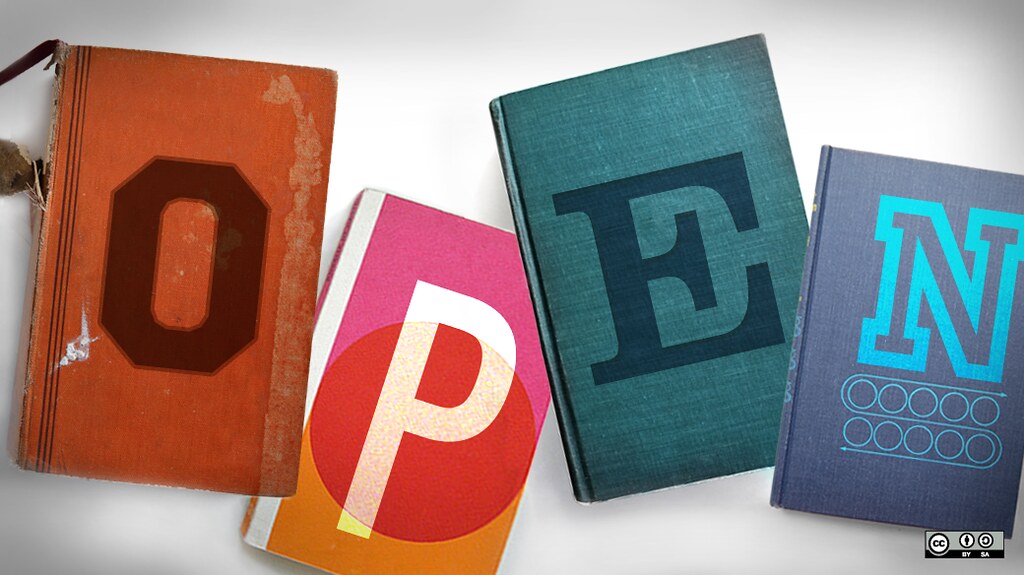
I am very pleased to have these websites among my references. As I begin creating content for my lessons, I can confidently integrate openly licensed images and multimedia into my documents and presentations, and look for educational content that is free from commercial pressure to monetize knowledge.