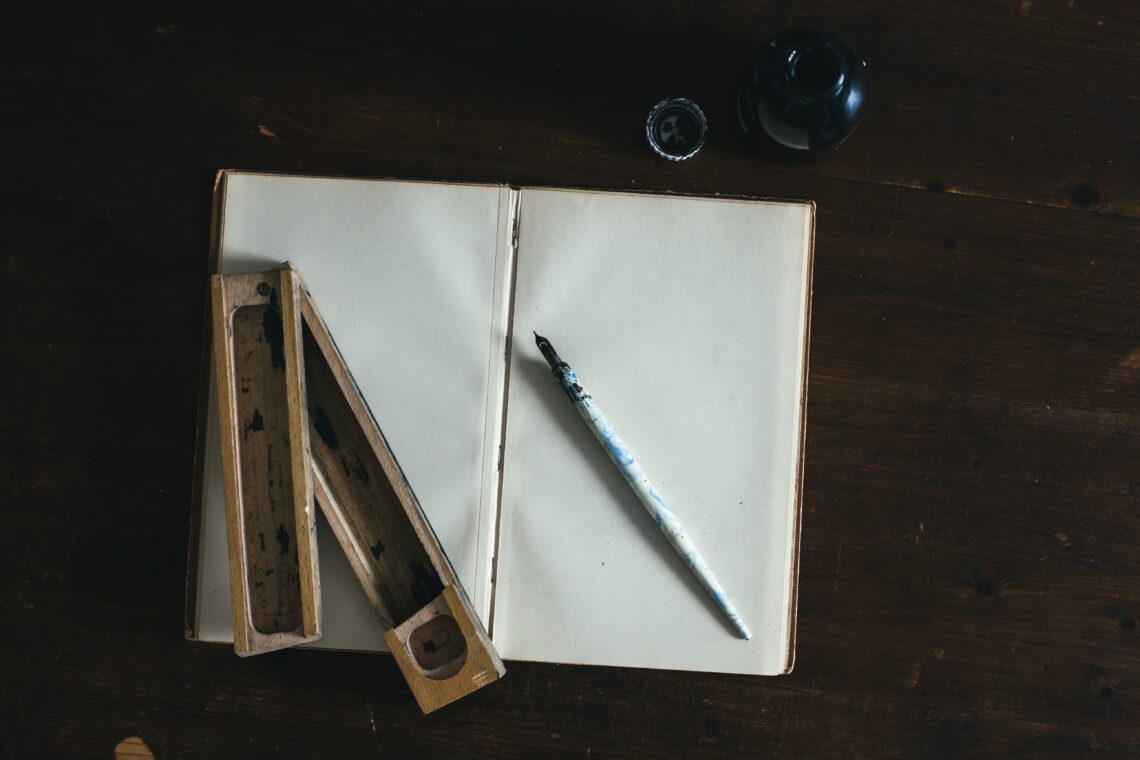
My blog is called Ébauches, the plural of the lovely French word ébauche which can mean:
- preliminary draft
- first draft
- sketch
- rough outline
- beginnings
- first signs
- hint
The verb ébaucher means “to start,” “to begin.” If you ébauches un sourire, you give a hint of a smile.
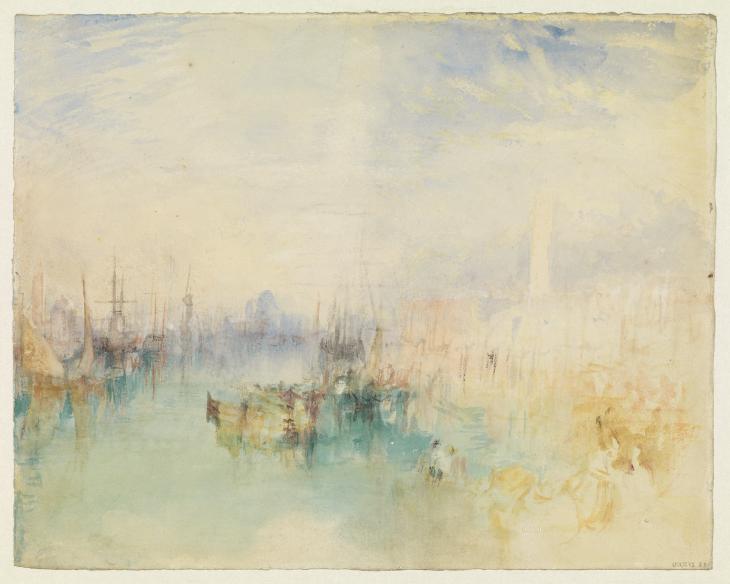
I named my blog Ébauches because I am at the beginning of a teaching career and am taking my first halting steps as a bloggeuse. I was also planning to use the free inquiry section of my blog as a space for exploring drawing and sketching with a variety of media, including the fabulous Caran d’Ache watercolour crayons, which I discovered last semester in an art education course. When I realized that my heavy course-load this semester would not afford me the leisure time to make ink and watercolour sketches, I played with the idea of exploring how some great painters have used preliminary sketches or drawings, often called studies, to ready themselves to paint a larger canvas of the same subject. I was thinking in particular of one of my favourite painters, J.M.W. Turner.
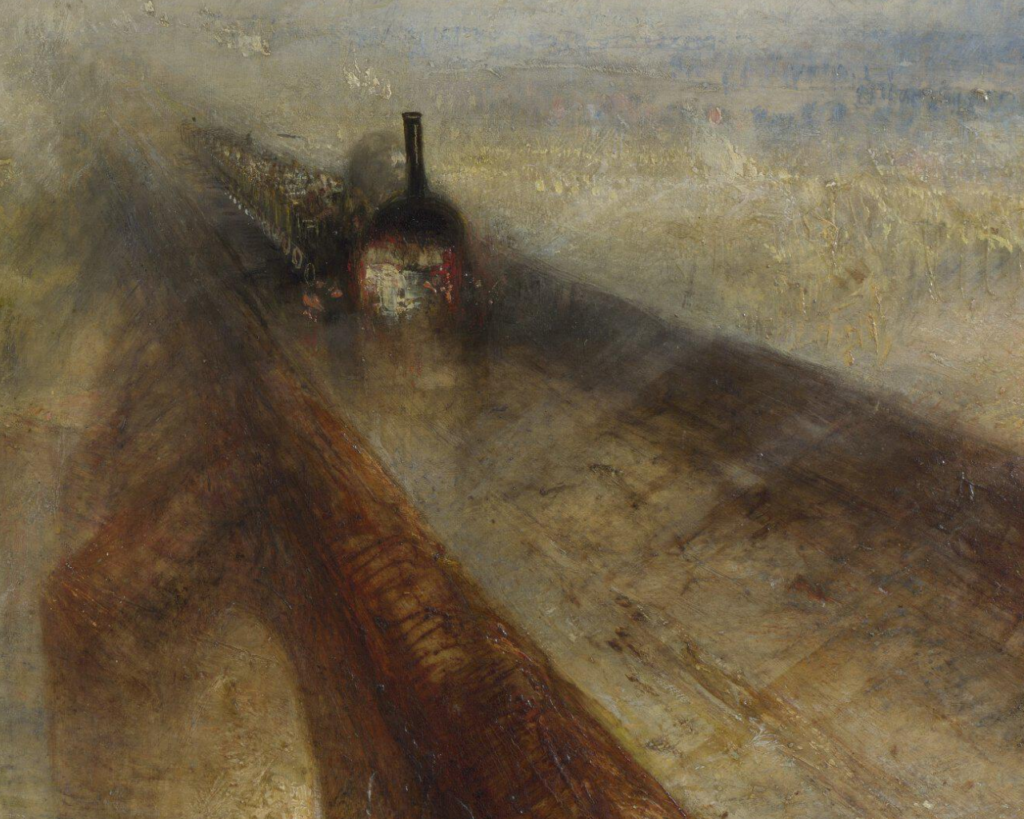
Travelling far and wide, Turner kept journals and sketchbooks, taking notes and planning paintings. He also made many watercolour sketches in situ to capture the colours and essence of a particular place before attempting a full-scale painting later in his studio. His Italian sketches and finished paintings are especially atmospheric.